22nd Nov, 2025
If you're like most Nigerians dealing with constant power outages, you've probably asked yourself this question: "Should I keep spending money on petrol for my generator, or is it time to switch to an inverter system?" With fuel prices hitting record highs and electricity tariffs jumping dramatically in 2025, this isn't just a casual question anymore—it's a financial decision that could save or cost you hundreds of thousands of naira over the next two years.
Today, we're breaking down the real costs of running a generator versus an inverter system in Nigeria, with a focus on the money that actually leaves your pocket: fuel costs versus battery replacement costs over a 24-month period.
Let's be honest about where we are. As of November 2025, petrol prices in Nigeria range between ₦840 to ₦970 per liter depending on your location and supplier. If you're in Lagos, you're likely paying around ₦930 per liter at most filling stations. For those in the Southeast or Northeast, prices can climb as high as ₦1,200 per liter.
Meanwhile, electricity tariffs have seen massive increases. Band A customers (those receiving 20 hours of daily supply) now pay ₦225 per kilowatt-hour, up from ₦66 just a year ago. Even if you're in Band B to E, the cost of grid electricity remains unpredictable, and most areas still experience 12-18 hours of power cuts daily.
This combination of expensive fuel and unreliable grid power has left many Nigerians searching for the most cost-effective backup power solution.
Generators have been the go-to backup power solution for decades. They burn petrol (or diesel) to produce electricity on demand. The most popular sizes for Nigerian homes are:
Typical costs:
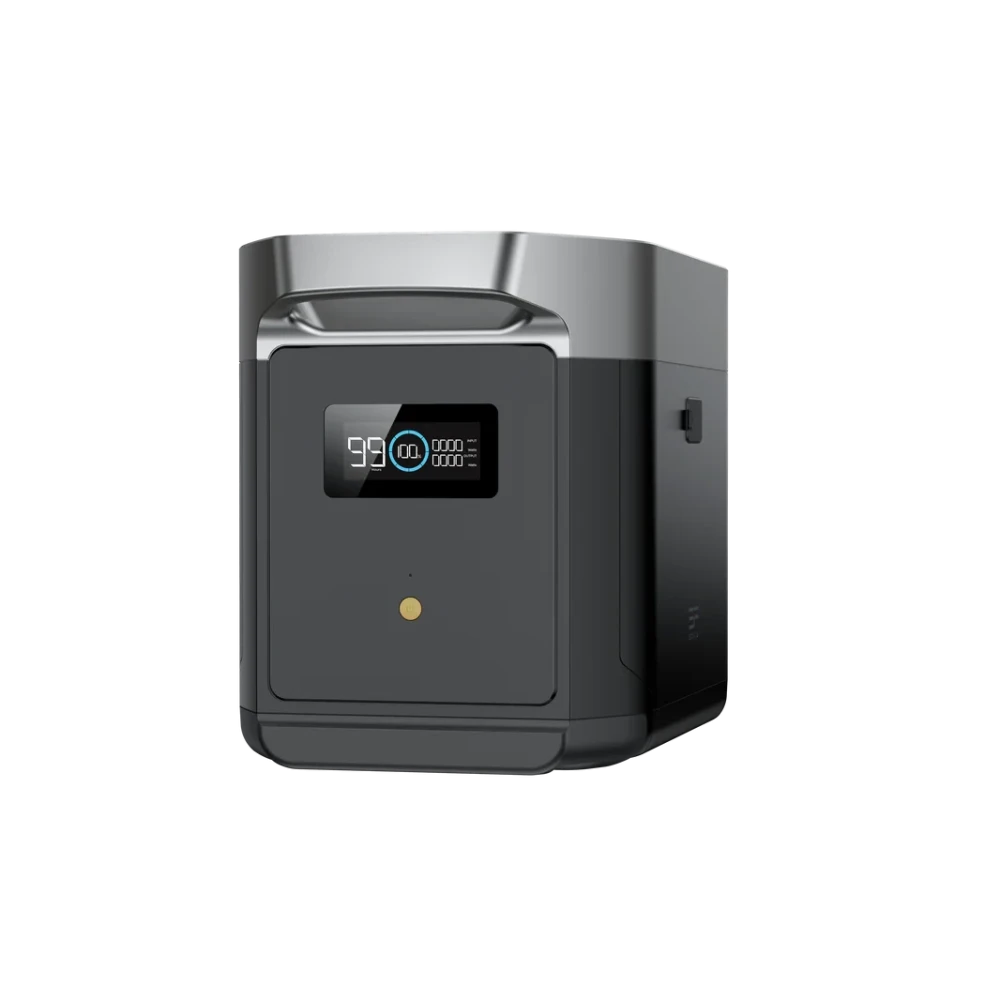
An inverter system stores electricity from the grid (or solar panels) in batteries, then converts it to AC power when needed. A typical setup includes:
Typical costs:
Let's calculate the actual running costs for both systems over 24 months. We'll use a typical Nigerian household scenario where you need backup power for 6 hours daily.
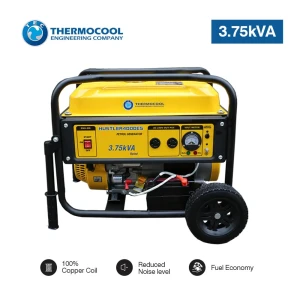
Assumptions:
Daily fuel consumption: 6 hours × 1.5 liters = 9 liters Daily fuel cost: 9 liters × ₦930 = ₦8,370
Monthly fuel cost: ₦8,370 × 30 days = ₦251,100
Annual costs:
2-Year Total: ₦6,086,400
Additional costs to consider:
Grand Total (2 years): ₦6,186,400
Assumptions:
Daily charging cost:
Monthly charging cost: ₦1,060 × 30 = ₦31,800
Annual costs:
2-Year Total: ₦803,200
Battery replacement: Since quality tubular batteries last 3-4 years with proper maintenance, you won't need to replace them within the 2-year period we're analyzing. However, for fairness, let's account for battery degradation:
Estimated battery degradation value (2 years): ₦150,000 (This represents approximately 40% of battery value lost over 2 years)
Grand Total (2 years): ₦953,200
Here's what the numbers show:
| Item | Generator | Inverter | Savings with Inverter |
|---|---|---|---|
| 2-Year Running Cost | ₦6,186,400 | ₦953,200 | ₦5,233,200 |
| Monthly Average | ₦257,767 | ₦39,717 | ₦218,050 |
| Daily Average | ₦8,592 | ₦1,324 | ₦7,268 |
You could save over ₦5.2 million over two years by switching to an inverter system.
Even if you add the initial purchase cost of an inverter system (₦600,000 average), you'd still save ₦4,633,200 over 24 months. This means the inverter system pays for itself in just 2.8 months through fuel savings alone!
If you add solar panels to your inverter system (a popular option in Nigeria), the savings become even more dramatic. A 1.5KW solar panel setup costs ₦800,000 - ₦1,500,000 but reduces your charging costs by 60-80%, depending on sunshine availability.
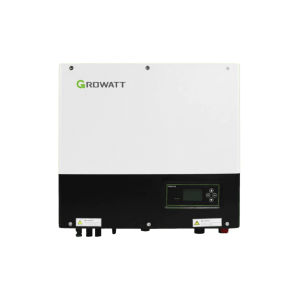
With solar:
Power needs: Lights, fans, TV, phone charging, small fridge Winner: Inverter system Why: Low power consumption means small battery bank needed. Fuel costs are disproportionately high for small generators.
Power needs: Multiple rooms, large fridge/freezer, washing machine, occasional AC Winner: Inverter system (possibly with solar) Why: Even with higher capacity needs, fuel costs still make generators prohibitively expensive. A 3-4KVA inverter with 4 × 200Ah batteries would still be cheaper over 2 years.
Power needs: Heavy-duty appliances, long daily usage (8-12 hours) Winner: Depends on specific load, but inverter often wins Why: While businesses have higher energy needs, running a generator 8-12 hours daily would cost ₦500,000+ monthly just in fuel. Commercial electricity rates are also relatively affordable at around ₦80-120/kWh for Band C-E.
Winner: Keep the generator as backup, but add an inverter system Why: Use the inverter for daily power needs (saves fuel costs), but keep the generator for emergencies or when you need heavy-duty power for short periods.
If you choose an inverter system, proper battery maintenance is crucial:
With proper care, tubular batteries can last 4-5 years, and lithium batteries can last 7-10 years, further improving your savings.
Some people argue, "But fuel prices might come down." Let's be realistic: Nigeria has been deregulating its fuel sector, removing subsidies, and dealing with naira devaluation. Fuel prices are far more likely to increase than decrease in the coming years.
Even if petrol drops to ₦700/liter (optimistic scenario), you'd still spend:
You'd still save ₦3.6 million over 2 years, even with dramatically lower fuel prices.
The mathematics are undeniable. For the vast majority of Nigerian households and small businesses, an inverter system is dramatically cheaper to run than a generator—saving you over ₦5 million every two years.
Key takeaways:
✅ Inverters save you ₦218,000 monthly compared to generators ✅ Inverter systems pay for themselves in under 3 months through fuel savings ✅ Battery replacement every 3-4 years is still cheaper than continuous fuel purchases ✅ Adding solar panels increases savings even further ✅ Quieter, safer, and more convenient than generators
Ready to make the switch? Here's what you need:
Basic Inverter Setup (₦500,000 - ₦800,000):
Enhanced Solar Hybrid Setup (₦1,200,000 - ₦2,000,000):
Where to buy: Looking for quality inverters and batteries? Check out our selection at GDE.ng where we offer:
The question isn't whether you should switch to an inverter—it's how soon you can make it happen. Every month you continue running that generator, you're literally burning money that could be saved.
With fuel prices at all-time highs and battery technology improving, there has never been a better time to make the switch. The ₦500,000 - ₦800,000 you invest today will save you over ₦5 million in the next two years. That's money you could use for your children's education, business expansion, or building your savings.
Stop feeding your generator. Start powering your future with an inverter system.
Have questions about choosing the right inverter system for your home or business? Drop a comment below or visit our store for free expert consultation. Our team has helped thousands of Nigerians make the switch to more affordable, reliable power.
Prices mentioned in this article are based on November 2025 market rates and may vary by location and supplier. Always get current quotes before making purchase decisions.